A young child may know the family rule and still struggle to follow it in the moment. A child can repeat “no hitting,” “wait your turn,” or “toys stay on the floor,” but following a rule requires more than remembering it. Children also need to pause, control an impulse, manage frustration, and choose a different response; skills that are still developing throughout early childhood.
This gap often becomes more obvious when a child is tired, excited, frustrated, or overwhelmed. A child who can calmly explain the rule later may still be unable to use that knowledge in the middle of an emotional moment. That does not mean the boundary should disappear. It simply means that repeating the rule again and again may not address what is actually making the behavior difficult.
How Can You Tell the Difference?
If a child truly doesn’t know the rule, they may seem confused about what is expected, repeat the behavior even during calm moments, or need the expectation explained and modeled more clearly.
But if a child knows the rule but struggles to use it, they may be able to tell you exactly what they should have done afterward. The behavior may also happen more often when they are tired, excited, frustrated, or acting quickly without much time to think.
The response can look different too. When a child does not understand, clear teaching, simple language, and repetition can help. When the challenge is impulse control or emotional regulation, children often need calm limits, support in the moment, and repeated opportunities to practice the skill when they are regulated.
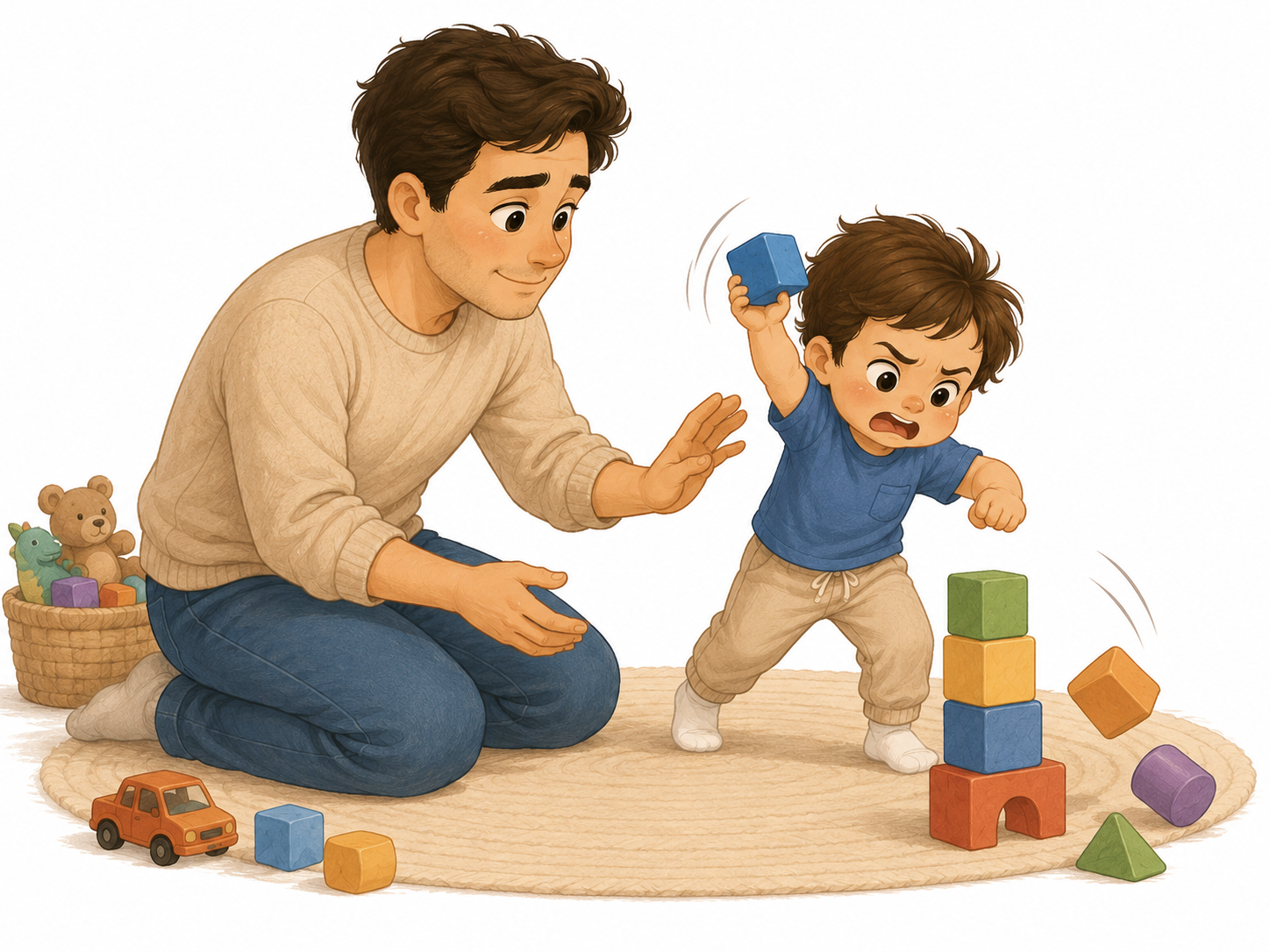
For example, a child who grabs a toy may not need another long explanation about sharing if they already understand the rule. They may need an adult to stop the grab, name the boundary simply, and help them practice what to do instead: “I won’t let you grab it. You can ask for a turn.”
The goal is not to excuse difficult behavior. It is to understand what skill is missing in that moment, so the response actually helps the child build it.
Sometimes the most helpful question is not “Why won’t my child listen?” but “What is getting in the way of them using what they already know?”