Starting preschool can be exciting and difficult at the same time. A child may talk happily about their classroom at home and still cry at drop-off the next morning. They may seem confident one day and suddenly cling to a parent the next. For young children, adjusting to a new school isn't usually a straight line.
Preschool brings many changes at once: a new environment, unfamiliar adults, different routines, more noise, group expectations, and time away from a caregiver. Even children who enjoy school may need time for their brain and body to learn, “This place is safe. My grown-up leaves, and they come back.”
Keep goodbyes warm; but predictable
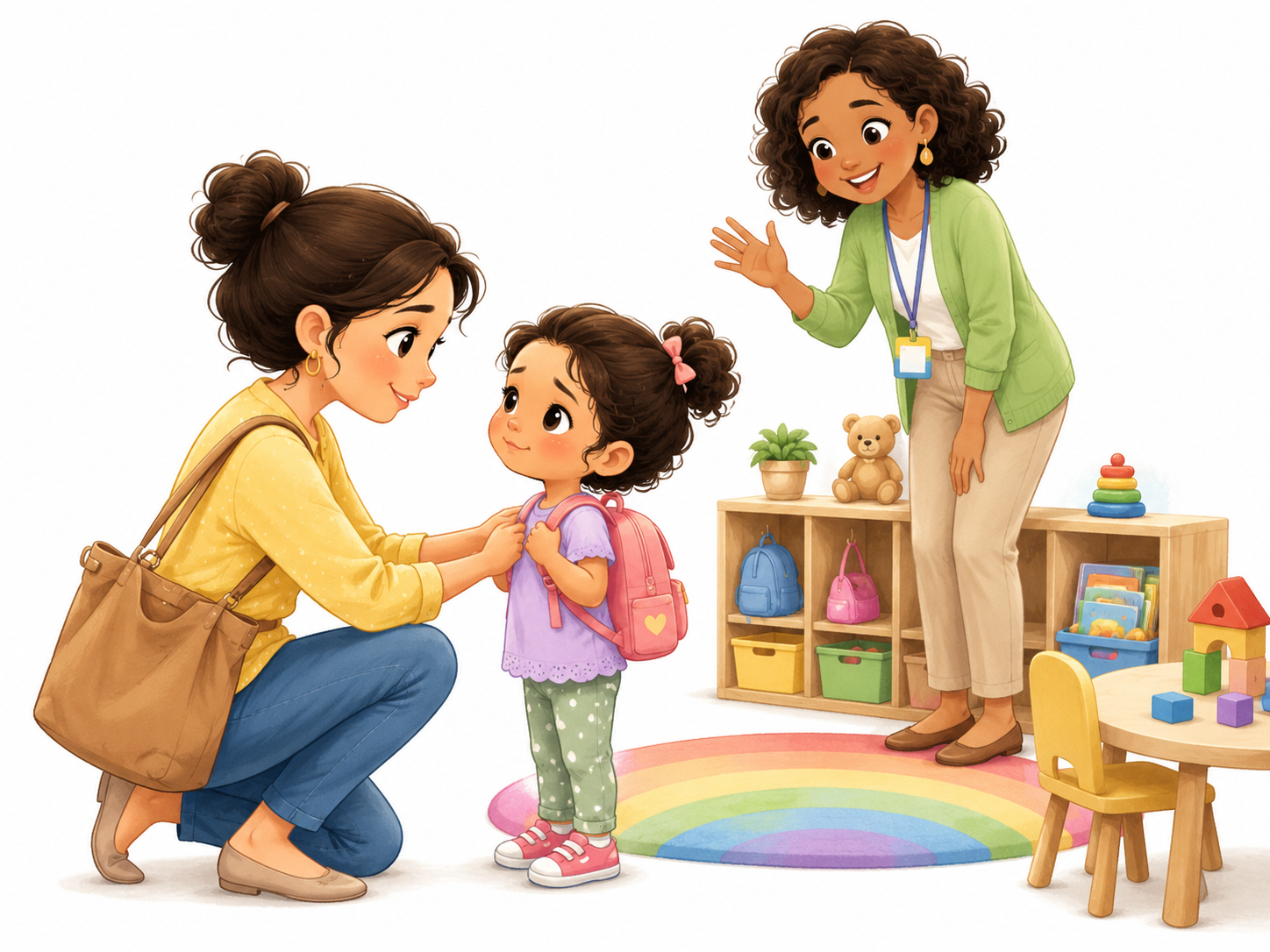
When a child becomes upset at drop-off, it can be tempting to stay longer, sneak away when they're distracted, or return for “one more hug.” But unpredictable goodbyes can sometimes make separation harder because the child doesn't know when the parent is actually leaving.
A short, consistent routine is often easier to understand:
“One hug, one kiss, then I’m going to work. You’ll play, have lunch, and I’ll come back after rest time.”
Then follow through.
This doesn't mean ignoring tears. A child can be upset and still be safely supported by another trusted adult. The goal isn't to create a tear-free goodbye on day three. It's to make the pattern understandable.
Give children something concrete to expect
Young children don't understand time the way adults do. “I'll be back at 3:00” may mean very little to a three-year-old.
Instead, connect pickup to events they understand:
“I’ll come after lunch and nap.”
“First school, then Mommy comes back.”
A simple visual routine can help too. Pictures showing home → school → lunch → rest→ pickup can make an unfamiliar day feel more predictable.
Expect some behavior to show up at home
The adjustment doesn't always happen at school.
A child who seems completely fine during the school day may become unusually clingy, emotional, demanding, or tired once they get home. They may ask to be carried more, want extra help with things they usually do independently, or have bigger reactions to small frustrations.
That doesn't necessarily mean preschool is going badly.
Managing a new environment requires attention and self-control. Home is often the place where children finally relax enough to release some of that effort.
During the first few weeks, keeping afternoons relatively simple can help. A snack, some connection, outdoor play, or quiet time may be more useful than immediately filling the schedule with another structured activity.
Small regressions can happen during big transitions
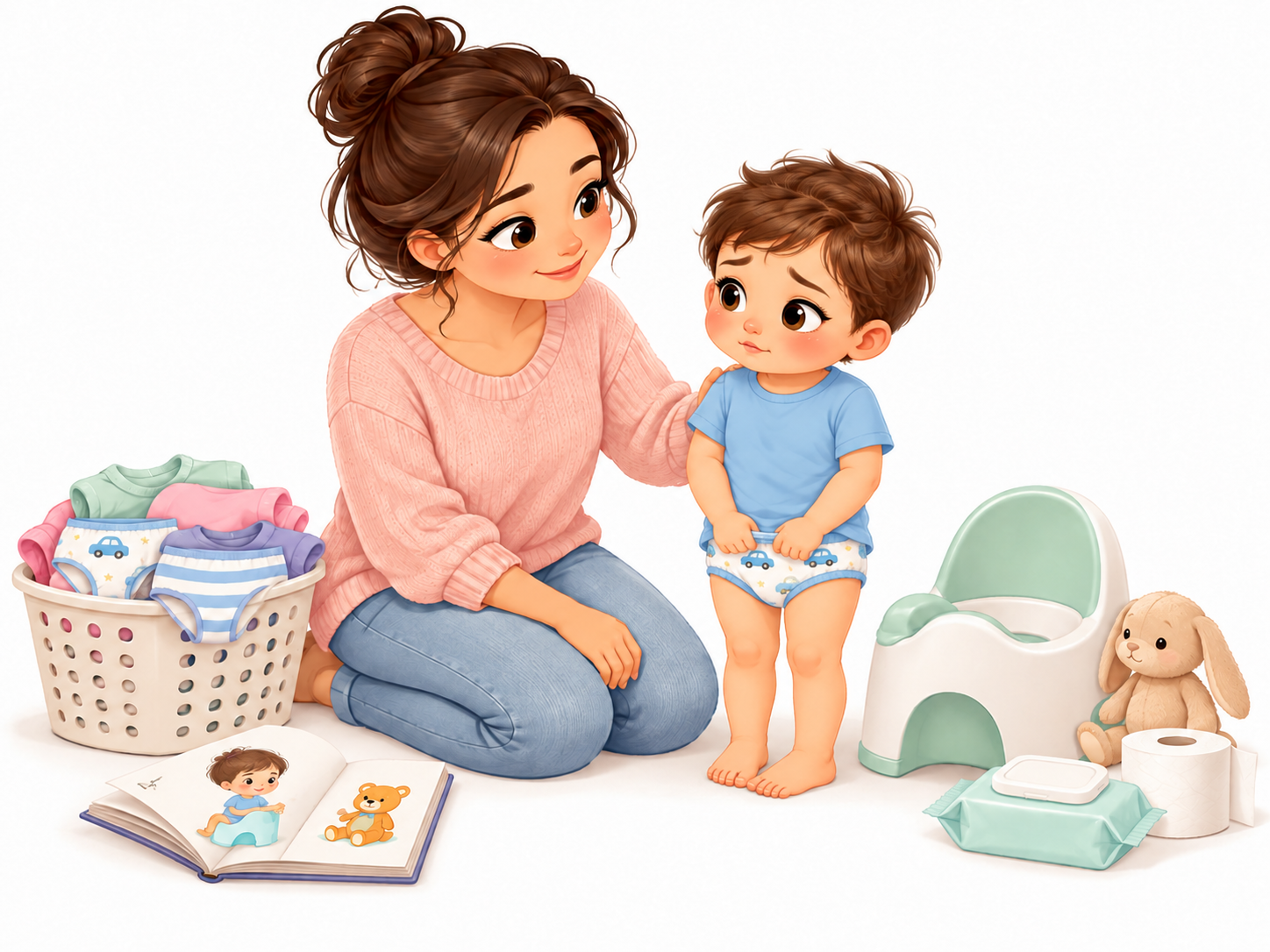
Transitions sometimes temporarily affect sleep, toileting, independence, or separation from comfort objects.
A child who had been sleeping independently may suddenly ask for a parent at bedtime. Another may want more help getting dressed or become more attached to a favorite stuffed animal.
These changes don't automatically mean something is wrong. Development isn't perfectly linear, especially during periods of adjustment.
Instead of quickly removing extra support, parents can offer reassurance while gradually returning to familiar expectations once the child feels more settled.
Talk about school without turning it into an interview
After pickup, parents naturally want to know everything:
“What did you do?” “Did you cry?” “Who did you play with?” “Did you eat lunch?”
But young children may not be ready to talk about their whole day immediately.
Try making space instead:
“I’m happy to see you.”
Later, specific questions may work better than “How was school?”
“What was something funny today?”
“Did you play inside or outside?”
“What did you build?”
And sometimes a child simply won't want to talk. That's okay too.
Adjustment is built through repetition
Children don't need to feel completely confident before they begin preschool. Confidence often develops through the repeated experience of going, being cared for, discovering familiar routines, and seeing their caregiver return again and again.
A successful start to preschool isn't measured by whether a child ever cries at drop-off. It's measured by the growing sense that school is predictable, safe, and temporary separation always ends in reunion.