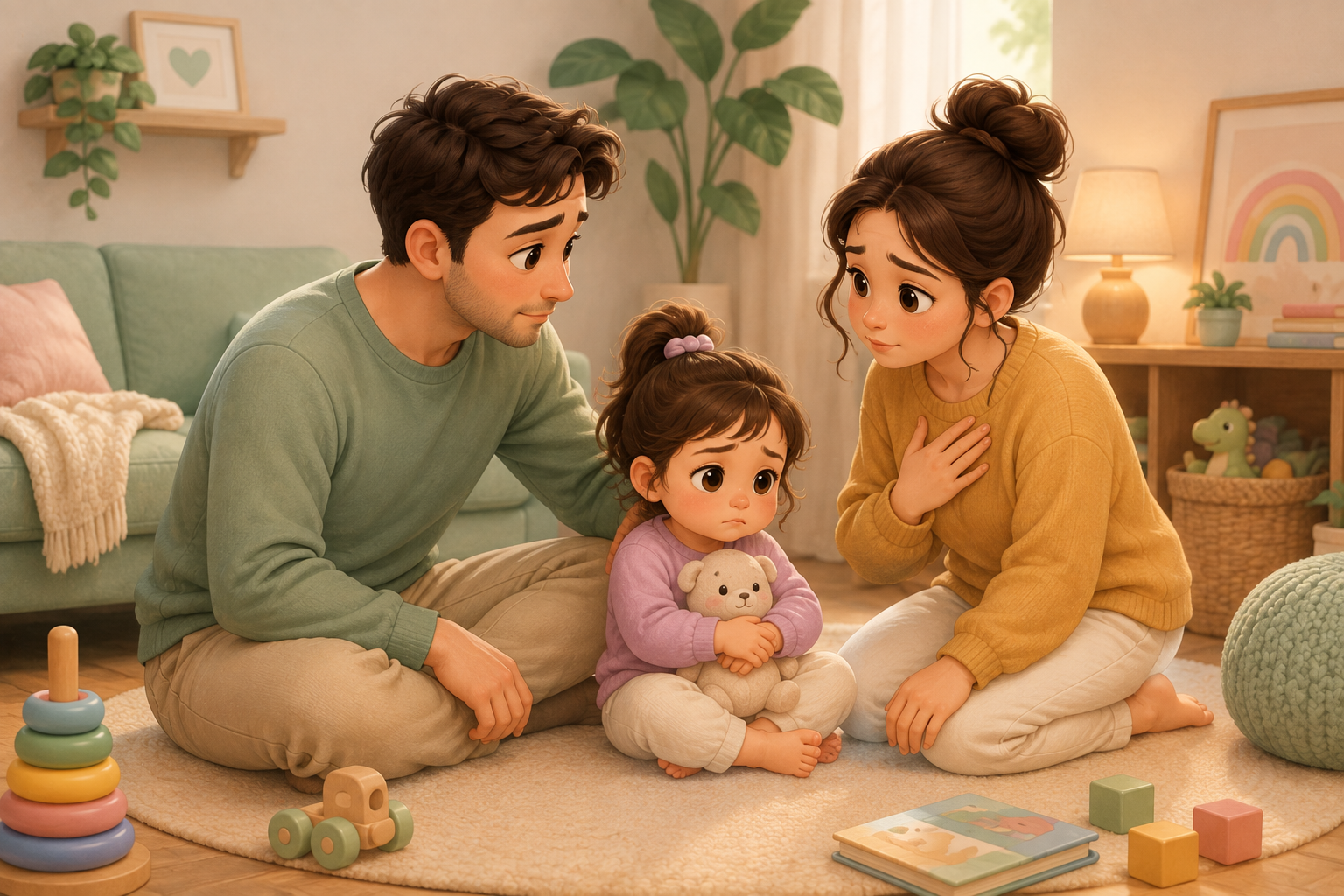
Praising children comes from a place of love, and there's nothing wrong with celebrating their efforts. However, using "Good job!" for every drawing, puzzle, or small success can sometimes become so automatic that children begin looking to adults for approval instead of noticing their own progress.
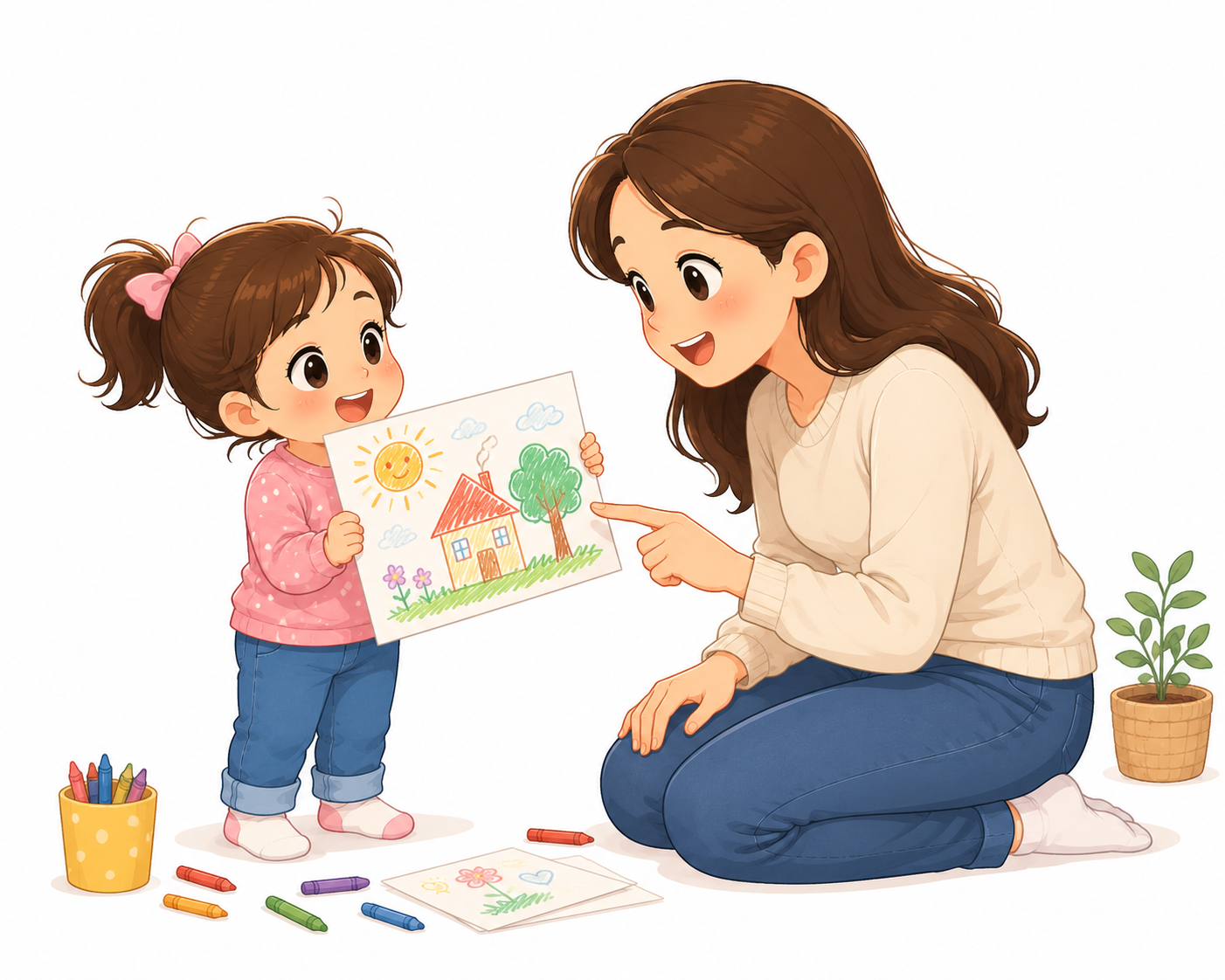
Instead of giving the same praise every time, try describing what you see. For example, "You kept trying even when it was difficult," or "You used so many different colors in your picture." This kind of feedback helps children focus on their effort, persistence, and problem-solving rather than simply waiting to hear whether they did something "right."
This doesn't mean parents should stop encouraging their children. Encouragement is still important, but specific, genuine feedback often has a bigger impact than repeated praise. Over time, children learn to recognize their own achievements, feel proud of their efforts, and develop motivation that comes from within rather than from constant approval.
The goal isn't to praise less; it's to praise with purpose.