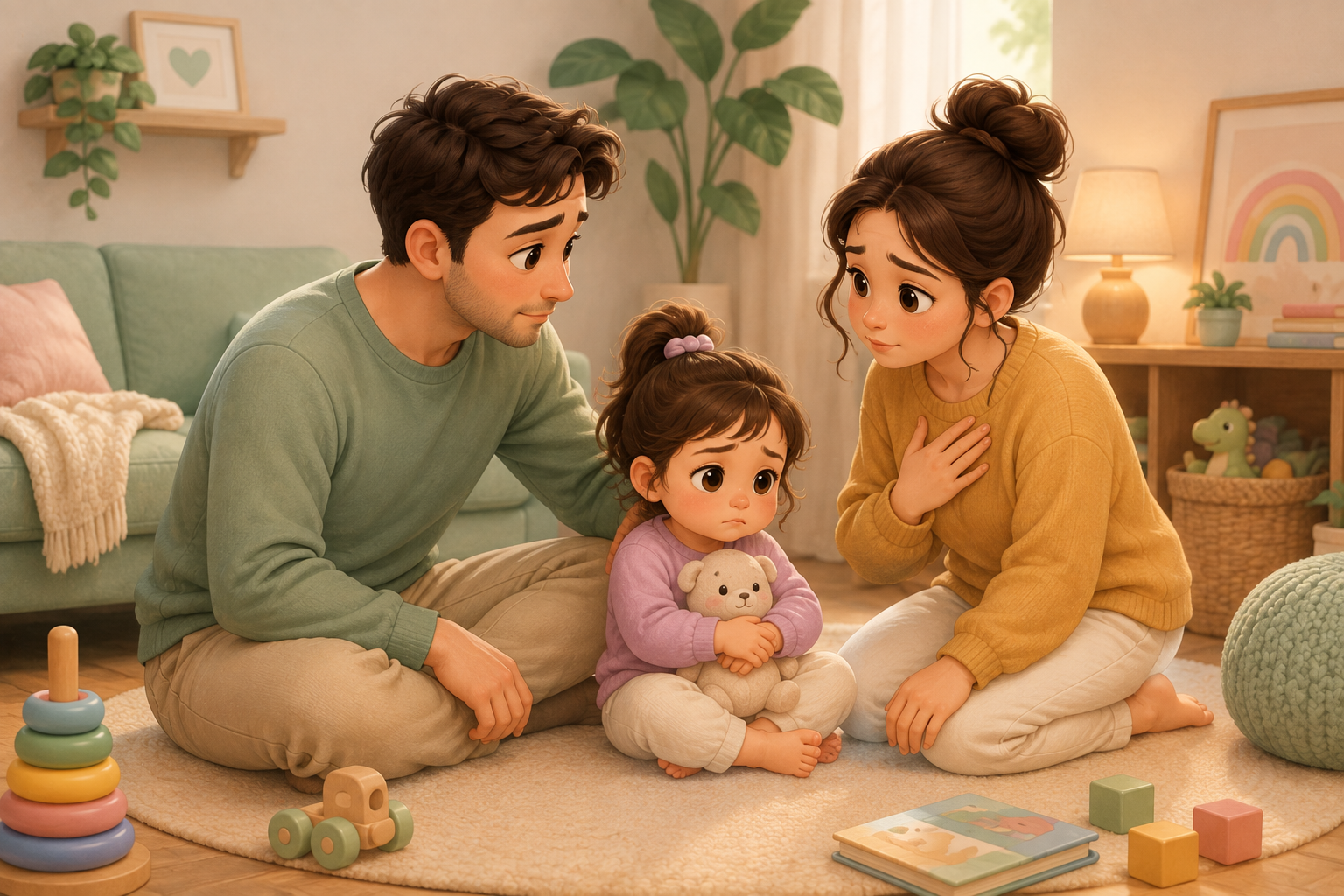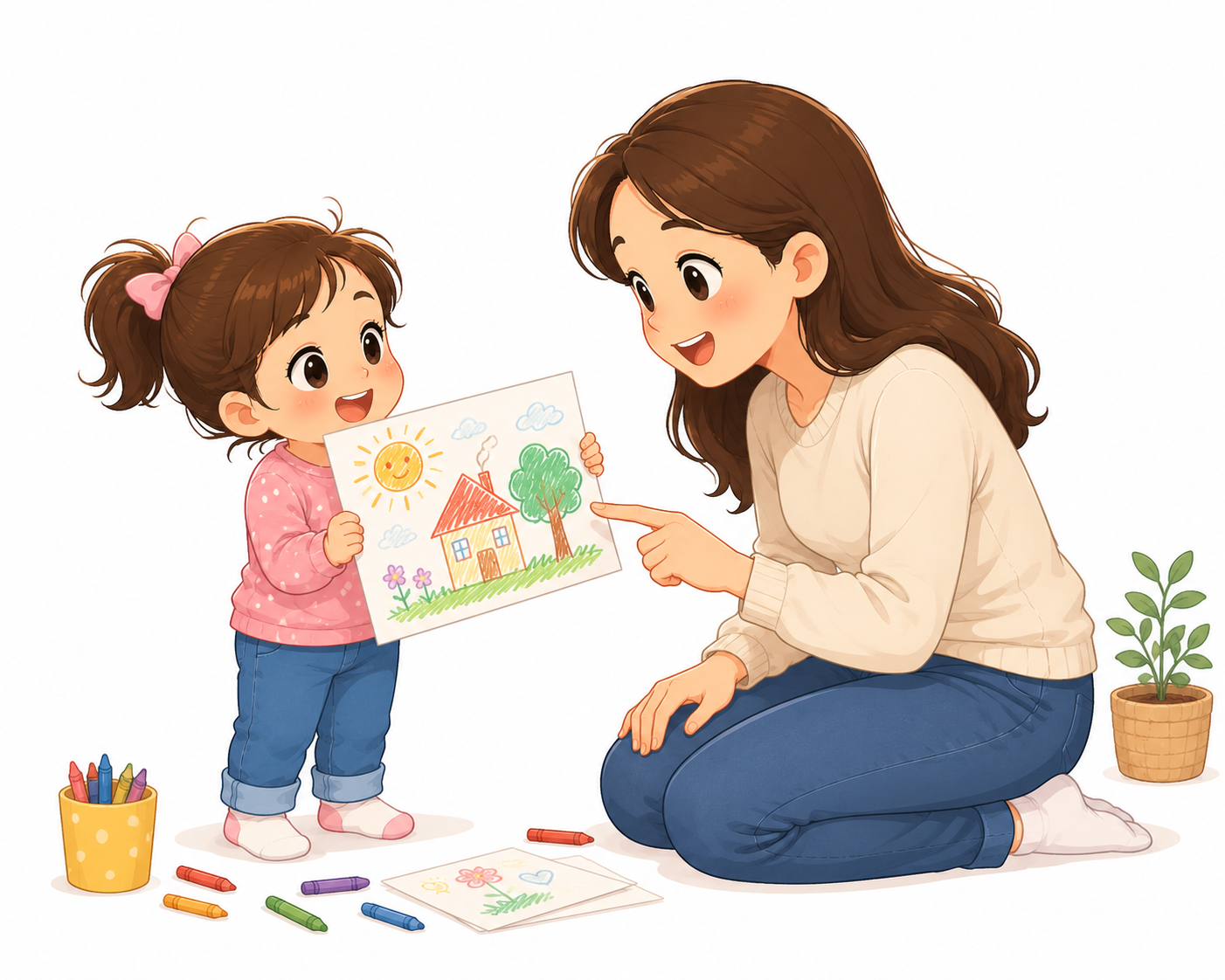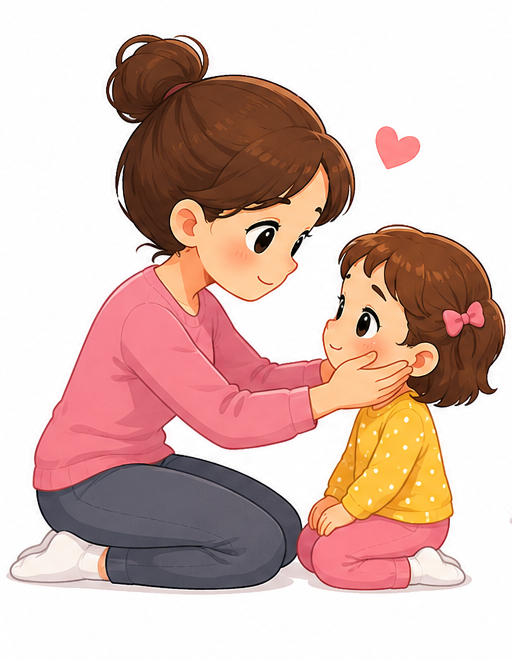
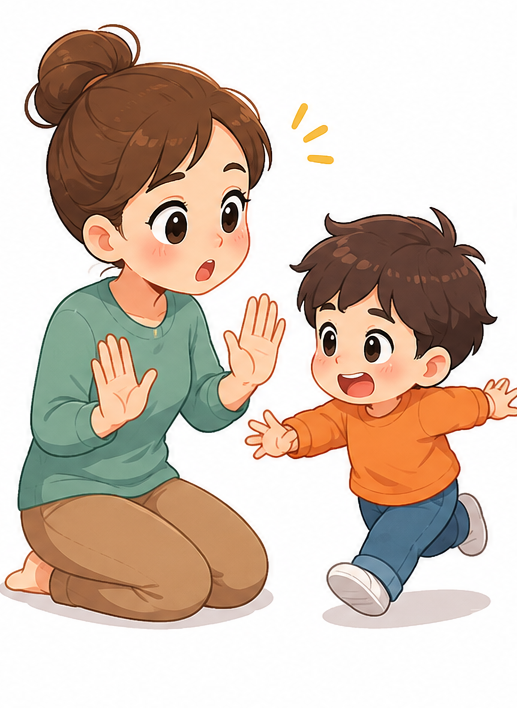
As parents, saying "Be careful!" often comes from a place of love. It's an automatic response when children climb, run, or try something new. But hearing it too frequently can have an unexpected effect. Instead of helping children become safer, it may increase anxiety or interrupt their ability to assess risks on their own.
Child development research suggests that children build confidence and judgment by practicing risk assessment in safe, age-appropriate situations. Rather than warning them every few seconds, try observing first. If there is no immediate danger, a simple question like "What's your plan?" or "Do you feel steady?" encourages children to pause, think, and become more aware of their own actions. These small conversations help develop decision-making skills instead of relying only on adult warnings.
Of course, real safety risks always require immediate action. The goal isn't to stop protecting children; it's to choose words that teach instead of simply interrupt. Over time, children who are guided to think about safety can become more confident, capable, and aware of their surroundings.
Small changes in everyday language can help children build skills that last far beyond childhood.